
Ceramic Fibre Blanket Uses in Industrial Applications | Alfatherm Insulation
Introduction
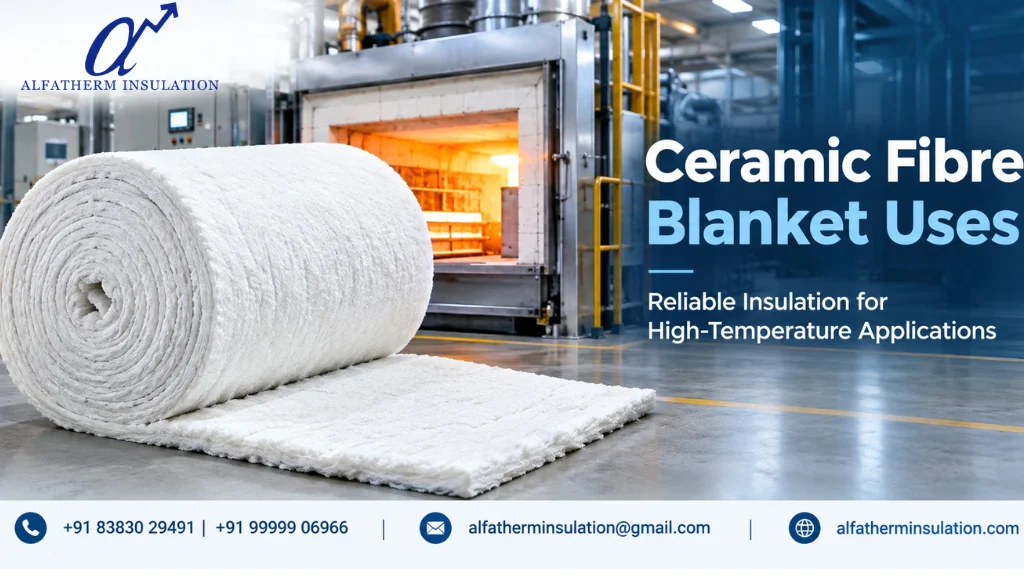
Ceramic fibre blanket uses are common in industries that require reliable insulation for high-temperature equipment. From furnaces and kilns to boilers and industrial processing systems, ceramic fibre blankets help reduce heat loss and support temperature control.
Alfatherm Insulation provides insulation solutions for industrial and building applications, helping businesses explore suitable options for their operational requirements. Understanding the applications, benefits, and safety considerations of ceramic fibre blankets can help businesses select the right insulation material based on operating temperature, equipment design, and installation needs.
Ceramic Fibre Blanket Uses in Furnaces and Kilns
One of the most common ceramic fibre blanket uses is insulating industrial furnaces and kilns. The blanket can line suitable furnace walls, roofs, doors, and designated areas to reduce heat escaping from the hot chamber.
A suitable blanket may simplify maintenance because damaged sections can be replaced without rebuilding the entire lining. Correct installation and compatible anchoring systems remain essential.
Insulation for Boilers and Thermal Equipment
Boilers, heaters, and thermal processing equipment may require insulation to reduce surface heat loss. Ceramic fibre blanket uses in these systems depend on design temperature, casing arrangement, and manufacturer recommendations. It may insulate approved equipment shells, doors, or hot sections.
Insulation alone cannot correct poor combustion, faulty controls, damaged refractory, or other equipment problems. A qualified technician should inspect the system and confirm the appropriate insulation specification before work begins.
Foundries and Metal Processing
Foundries and metal-processing facilities use high-temperature equipment for melting, holding, heat treating, and handling materials. Ceramic fibre blanket uses may include insulation around selected furnace sections, approved covers, and heat-treatment equipment.
These applications require attention to temperature limits, mechanical wear, molten-metal hazards, and chemical contact. A blanket should not be treated as a universal barrier against molten metal.
Petrochemical and Chemical Processing Plants
Some petrochemical and chemical facilities operate heaters, reactors, ducts, and process lines at elevated temperatures. Ceramic fibre blanket uses can include insulation on suitable hot surfaces when the material is compatible with the operating environment.
Selection must account for temperature, vibration, moisture, and chemical contact. Confirm that the selected insulation system meets applicable codes and plant requirements.
Hot Pipes, Ducts, and Expansion Areas
Certain hot pipes, exhaust ducts, and thermal system components can benefit from flexible insulation. Ceramic fibre blanket may be used where its temperature rating and mechanical properties suit the application.
Expansion joints and areas exposed to repeated movement need special design consideration. The blanket must suit movement, compression, and operating conditions.
Key Benefits of Ceramic Fibre Blanket
When properly selected, a ceramic fibre blanket can offer several practical advantages:
High-temperature resistance: Suitable grades are designed for specified high-temperature environments.
Thermal insulation: Low thermal conductivity can help reduce heat transfer and energy loss.
Lightweight construction: Lower weight may reduce the load compared with some traditional refractory systems.
Flexibility: Rolls can be cut and fitted around selected shapes and access points.
Maintenance convenience: Individual sections may be repairable or replaceable when the lining design allows it.
Process support: Appropriate insulation can help maintain more consistent operating temperatures.
Ceramic Fibre Blanket Uses: Safety and Installation Considerations
Safety Consideration | Recommended Action |
|---|---|
Fibre and dust exposure | Follow the product safety data sheet and workplace procedures |
Cutting and handling | Use suitable gloves, eye protection, respiratory protection, and dust controls as required |
Temperature limits | Never exceed the product’s specified service conditions |
Equipment condition | Inspect the equipment before installing insulation |
Waste disposal | Follow local regulations and workplace disposal procedures |
These tables can be inserted into the existing blog under their matching headings. They make the article easier to scan while keeping the information useful for industrial buyers.

How to Select the Right Blanket
Review these factors before choosing a product:
Operating temperature: Select a grade rated for actual service conditions, including expected temperature peaks.
Thickness and density: Confirm required thermal performance, durability, and installation space.
Equipment design: Check surface shape, anchoring, joints, access panels, and movement.
Environment: Consider moisture, airflow, vibration, chemical exposure, and outdoor conditions.
Installation requirements: Use suitable protective equipment and follow supplier instructions.
Compliance: Confirm relevant plant standards, codes, and documentation before installation.
Safe Handling and Installation
Ceramic fibre products can release airborne fibres and dust during cutting, removal, or handling. Follow the safety data sheet and workplace rules. This may require respiratory protection, gloves, eye protection, and dust control.
Do not install insulation over damaged equipment or use a blanket outside its rated conditions. Waste should be collected and disposed of according to local requirements.
Why Choose Alfatherm Insulation?
Alfatherm Insulation supplies insulation solutions for industrial and building applications. When evaluating ceramic fibre blanket uses for a furnace, kiln, or boiler, discuss operating conditions with the supplier.
Share the service temperature, equipment type, dimensions, and installation environment to help identify an appropriate option. Ask for product specifications, availability, and installation guidance before placing an order.
Contact Alfatherm Insulation
For details about high-temperature insulation products, contact Alfatherm Insulation to discuss your project requirements.
Phone: +91 83830 29491 / +91 99999 06966 Email: alfatherminsulation@gmail.com Website: https://alfatherminsulation.com/
Confirm product ratings, installation methods, and safety precautions with a supplier before work begins.
Conclusion
Ceramic fibre blanket uses span furnaces, kilns, boilers, foundries, process equipment, and selected hot pipes or ducts. Its flexibility, lightweight construction, and thermal insulation properties can make it useful for suitable high-temperature applications.
Before purchasing, review the technical datasheet, confirm installation and handling requirements, and consult a qualified professional where needed. Contact Alfatherm Insulation to discuss your application and verify which insulation solution is appropriate for your operating environment.

0 comments