Mineral Wool Dealer: How to Choose the Right One
What to Check Before You Buy
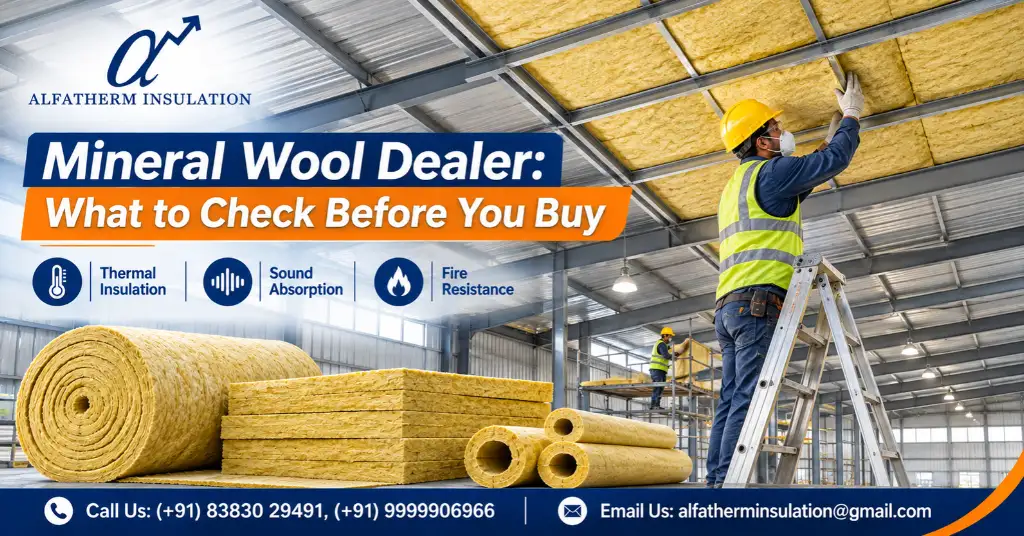
Buying insulation is not like buying paint. The material stays hidden inside walls, roofs and ducts for many years, so a wrong choice is hard to fix later. A good Mineral Wool Dealer helps you pick the right product, thickness and density for your job. A poor mineral wool dealer may simply sell whatever is in stock.
This guide explains what mineral wool is, how its types differ, and how to choose a trusted Mineral Wool Dealer. We use simple words so anyone can follow.
What Is Mineral Wool?
Mineral wool is an insulation made from melted rock, slag or glass that is spun into thin fibres. The fibres trap air, and trapped air slows down heat. It also absorbs sound and resists fire. Stone wool, rock wool, slag wool and glass wool all belong to this family, but they are not the same. Because the products differ so much, the advice you get from your Mineral Wool Dealer matters as much as the product itself.
What Is Mineral Wool Used For?
Common uses include:
- Factory and warehouse roofs and walls
- Pipes, ducts and boilers
- Ceilings and partition walls in homes and offices
- Soundproofing in hotels, studios and flats
- Fire protection in commercial buildings
Ask your Mineral Wool Dealer which density suits each use, because a light roll for a ceiling is not right for a hot pipe.
Types of Mineral Wool and How They Differ
Do not treat all insulation as one product. Compare the options below.
| Material | Made from | Best for | Things to know |
|---|---|---|---|
| Rock (stone) wool | Volcanic rock | Fire safety, hot pipes, boards | Heavier and usually costs more |
| Slag wool | Waste from steel making | Ceilings and general building work | Quality differs from maker to maker |
| Glass wool | Recycled glass | Walls, roofs, ducts and sound | Handles less heat than rock wool and can itch |
| Bubble foil | Plastic bubbles with aluminium foil | Reflecting heat on roofs | Not mineral wool and weaker for sound and fire |
Is Mineral Wool Fireproof?
Mineral wool does not burn easily, so it is called non-combustible. Rock wool can take very high heat. But “fireproof” is a strong word. The foil or paper facing on some rolls may burn. Ask your Mineral Wool Dealer for the fire test report of the exact product you plan to buy.
Mineral Wool vs Bubble Foil Insulation
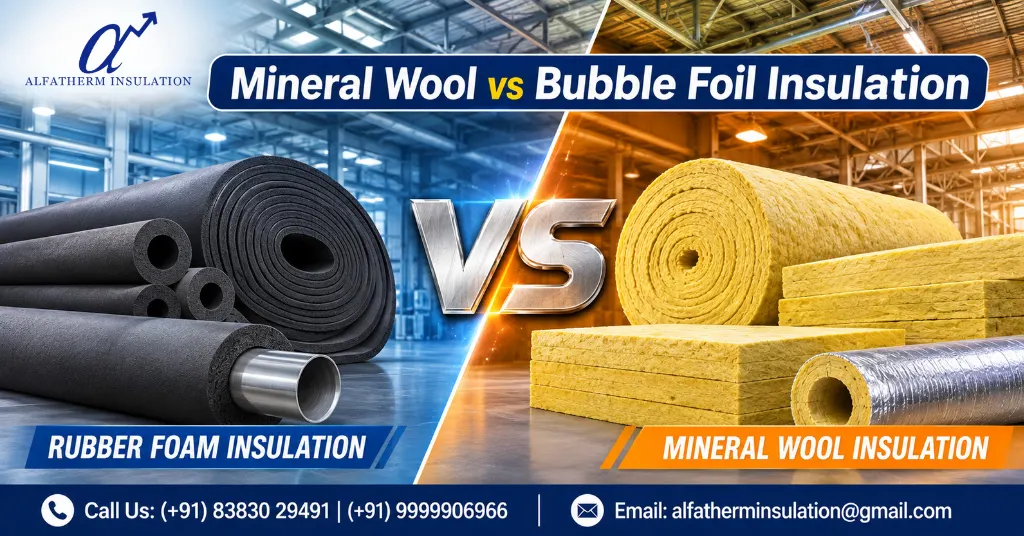
Many buyers ask whether bubble wrap is a good insulator. Bubble foil mainly reflects heat on roofs, and it works best with an air gap. Mineral wool slows heat through its thickness and also helps with sound and fire. They solve different problems. A Mineral Wool Dealer who also supplies bubble foil can tell you which one, or both, suits your building.
How to Choose a Mineral Wool Dealer
- Ask for the product data sheet with density, thickness, thermal value and fire rating.
- Check that the dealer sells known brands and can show test papers.
- Compare the price per square metre for the same density and thickness, not just per roll.
- Ask about cutting, delivery and installation advice.
- Check stock for big projects so supply does not stop halfway.
- Ask about the return policy for damaged rolls.
A reliable Mineral Wool Dealer answers these questions clearly. If the answers are vague, look for another Mineral Wool Dealer.
Simple Buying Tips
- Do measure your area before you call.
- Do tell the dealer where the insulation will be used, such as roof, wall or pipe.
- Do buy a little extra for cuts and waste.
- Do ask for a written quote with size, density and brand.
- Do not choose by price alone.
- Do not use wet or damaged material.
- Do not skip gloves, mask and goggles during work.
Basic Installation Steps
Always follow the maker’s guide. In short: wear gloves, mask and goggles, cut the wool slightly larger than the gap for a snug fit, and do not crush the fibres, because squeezed wool insulates less. Keep it dry, seal the gaps, and add a vapour barrier where the maker advises. For large or technical jobs, ask your Mineral Wool Dealer to suggest a trained installer.
Where to Buy Mineral Wool
You can buy from a local store, a distributor or directly from a dealer. For bigger orders, a dedicated Mineral Wool Dealer usually gives better advice, stock and rates than a general hardware shop.
Contact Alfatherm Insulation with your area size and use, and ask for a quote. Whether you need one roll or a full truck, talk to a trusted mineral wool dealer first.
Conclusion
The right insulation depends on your building, your budget and the heat, sound or fire problem you need to solve. Take time to compare types, read data sheets and ask questions. A knowledgeable Mineral Wool Dealer makes this easy and helps you avoid costly mistakes. Choose a Mineral Wool Dealer who explains clearly and supports you after the sale.
Faq's
Mineral wool is made by melting rock, slag or glass and spinning the melt into fibres. The fibres are then pressed into rolls, slabs or pipe covers. Ask your mineral wool dealer which type fits your job.
Mineral wool itself does not catch fire easily. Some facings, such as foil or paper, can burn, so check the fire rating of the full product.
Not exactly. Rockwool is one type of mineral wool, made from rock. Glass wool and slag wool are other types with different heat limits and prices.
It is widely used and is safe when handled properly. The fibres can irritate skin, eyes and throat, so wear gloves, a mask and goggles during cutting and fitting.
Wet mineral wool insulates poorly, so keep it dry. Some products have water-repellent treatment, but it differs by brand. Ask your mineral wool dealer about the product you choose.
0 comments